
ارتقای کیفیت رندرهای معماری داخلی با GPT Image | چطور از رندر سهبعدی به عکس مجلهای برسیم؟
تا حالا شده ساعتها روی نورپردازی و تکسچرها در نرمافزارهای سهبعدی وقت بذاری، اما خروجی نهایی با اینکه درسته، ولی حس «زندگی» نده؟ متریالها بیش از حد بینقص و اتوکشیدهاند و رندر شبیه یک ماکت دیجیتالیه تا یک خانه واقعی!
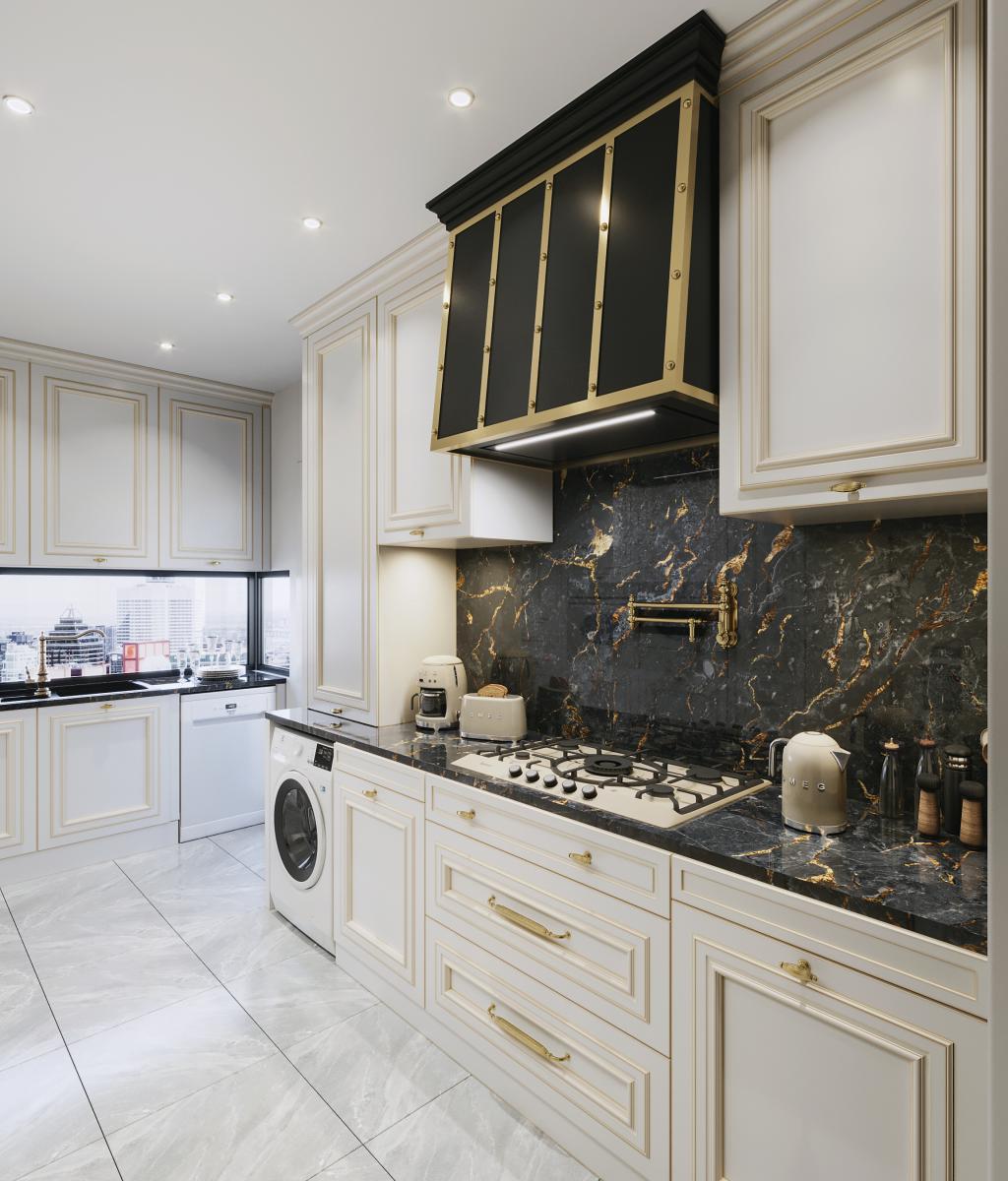
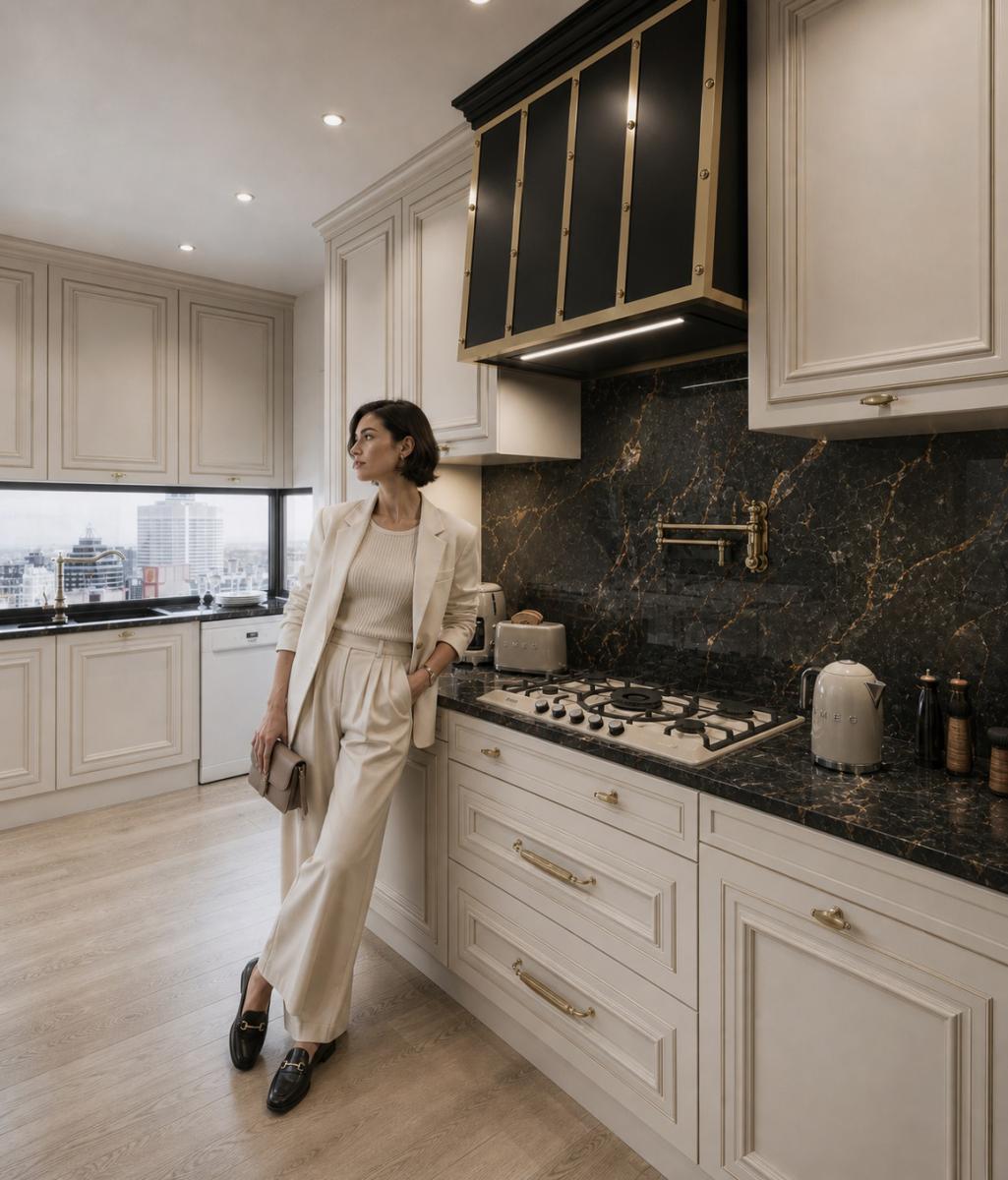
من هم دقیقاً با همین چالش روبهرو بودم. تا اینکه تصمیم گرفتم از قابلیت تصویرسازی و پردازش تصویر GPT (GPT Image) نه برای صفر تا صد رندر، بلکه به عنوان یک پستپرو داکشن هوشمند و دستیار ارتقای کیفیت (Detail & Atmosphere Enhancer) استفاده کنم. نتیجه باورنکردنی بود: متریال پارچهها تار و پود پیدا کردند، شکست نورها طبیعیتر شد و فضا عمق سینمایی گرفت.
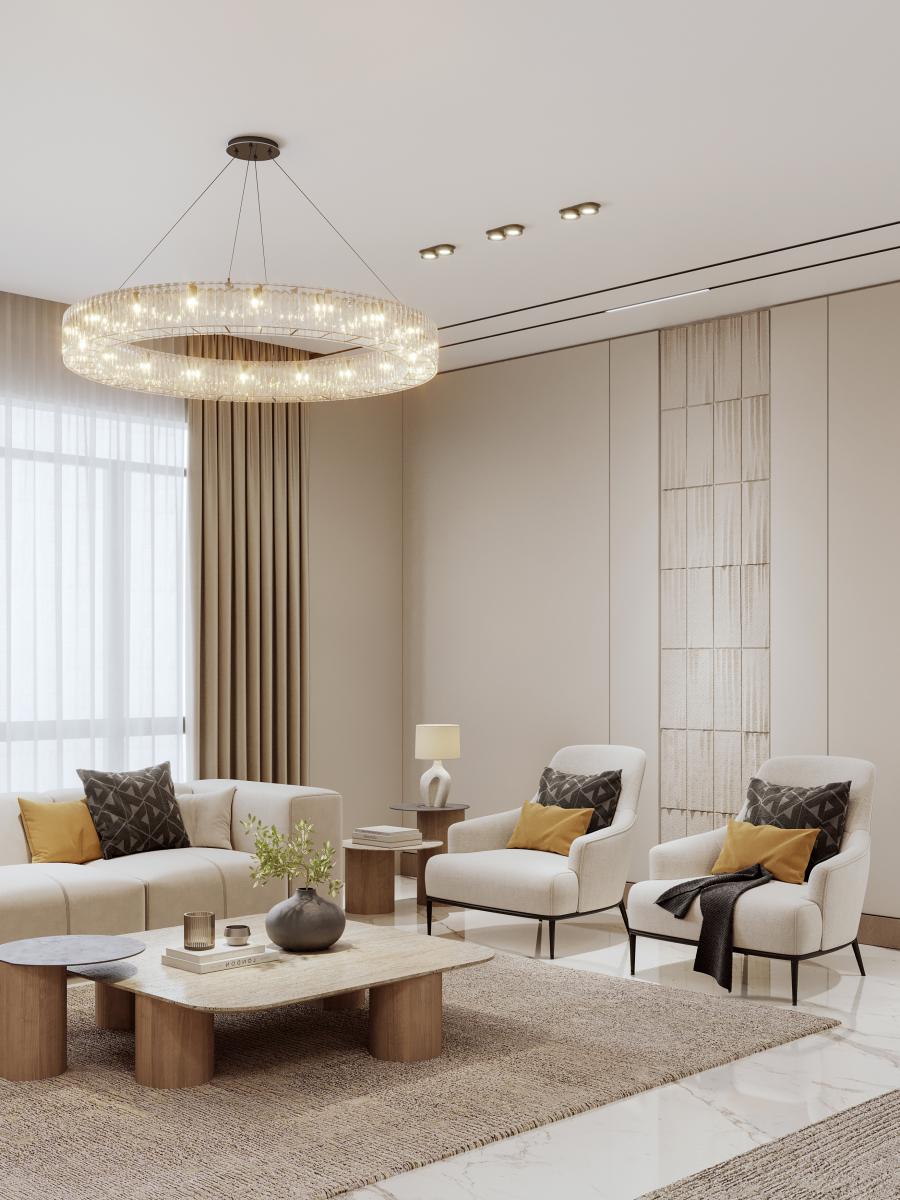
Before
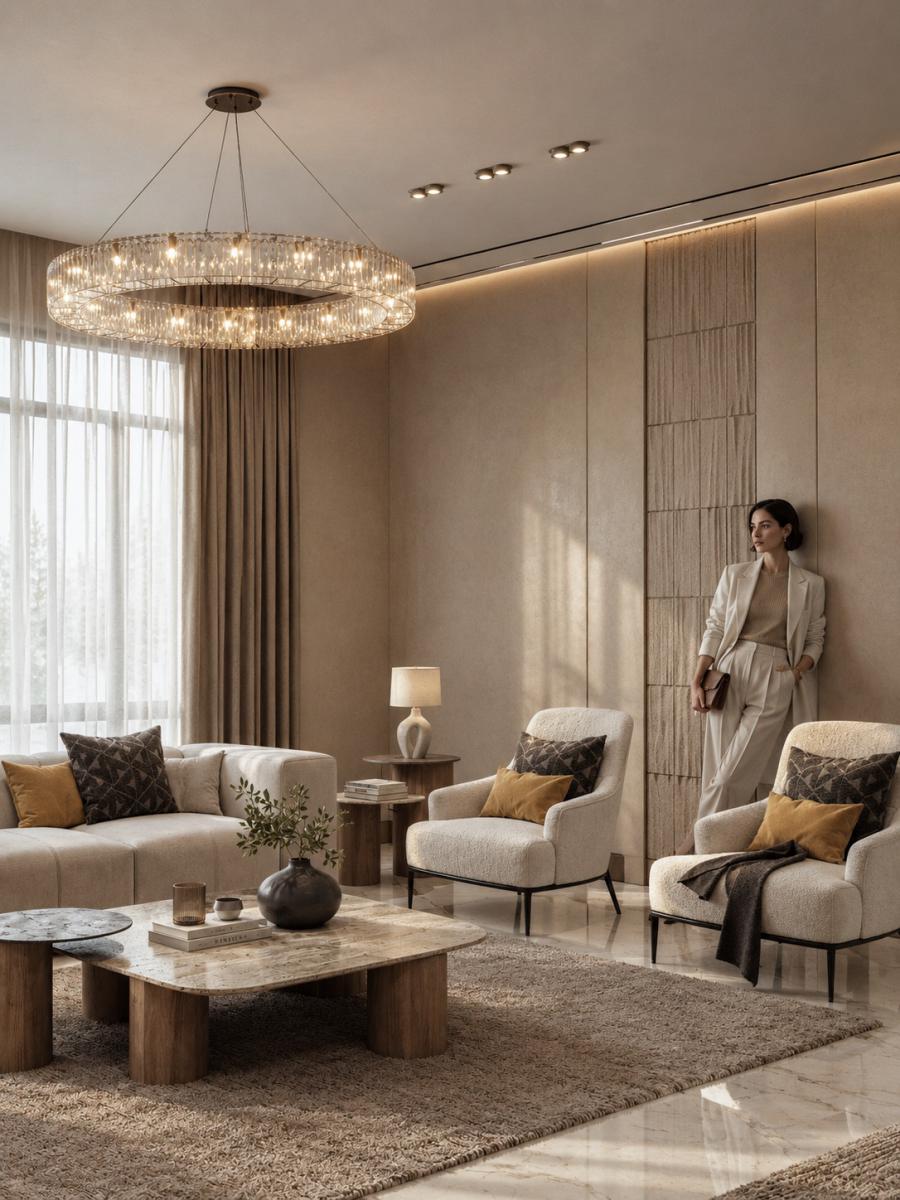
Before
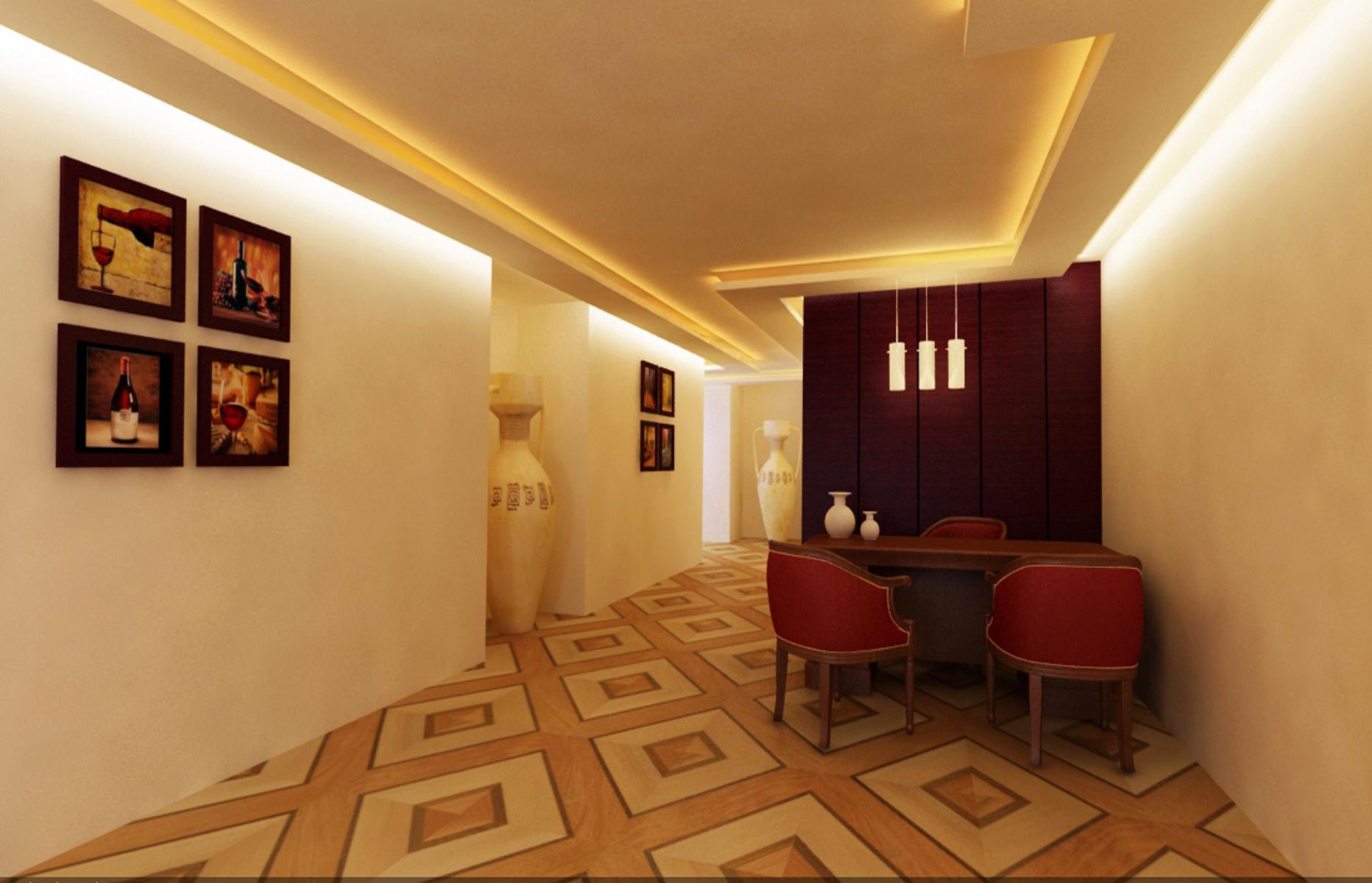
Before
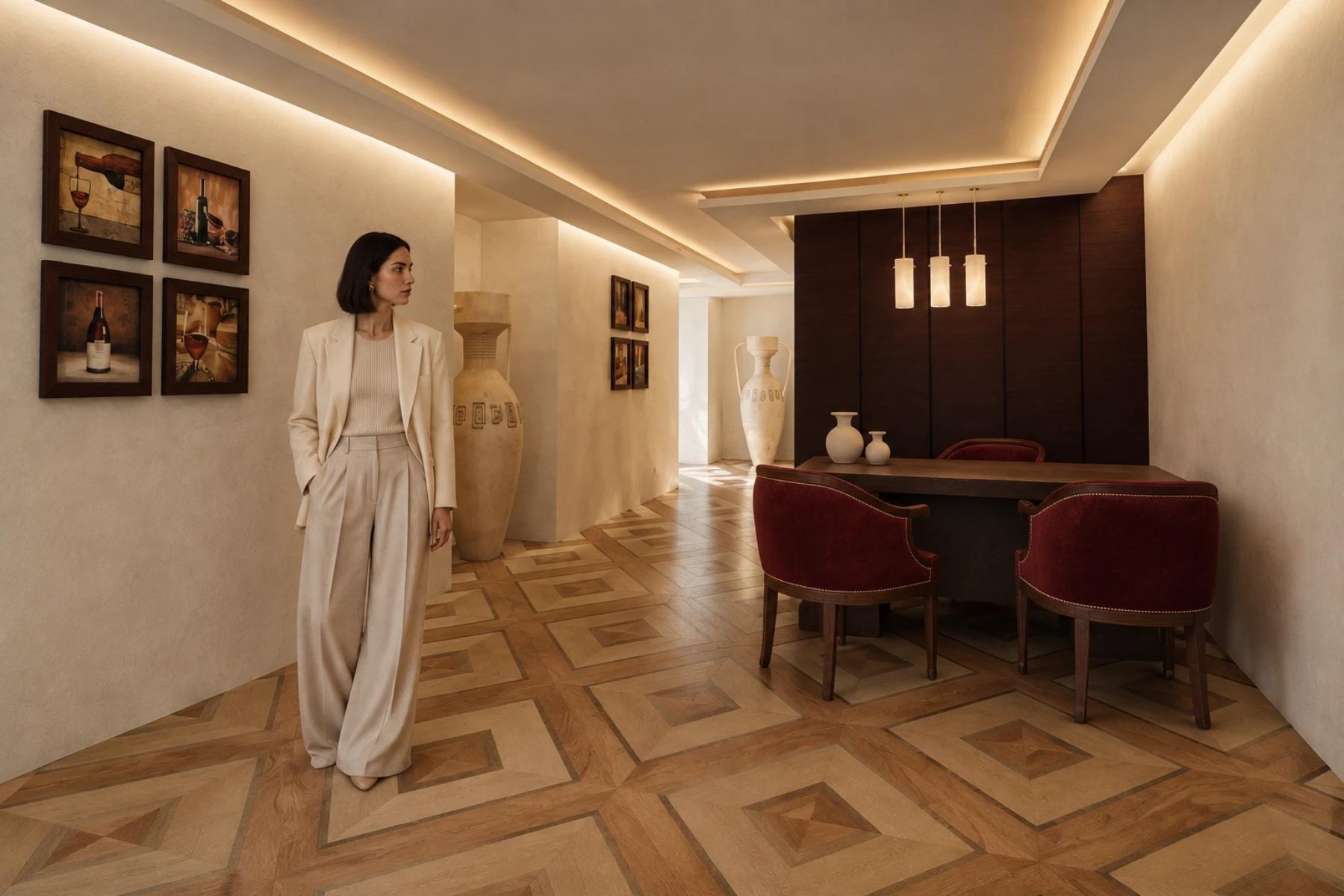
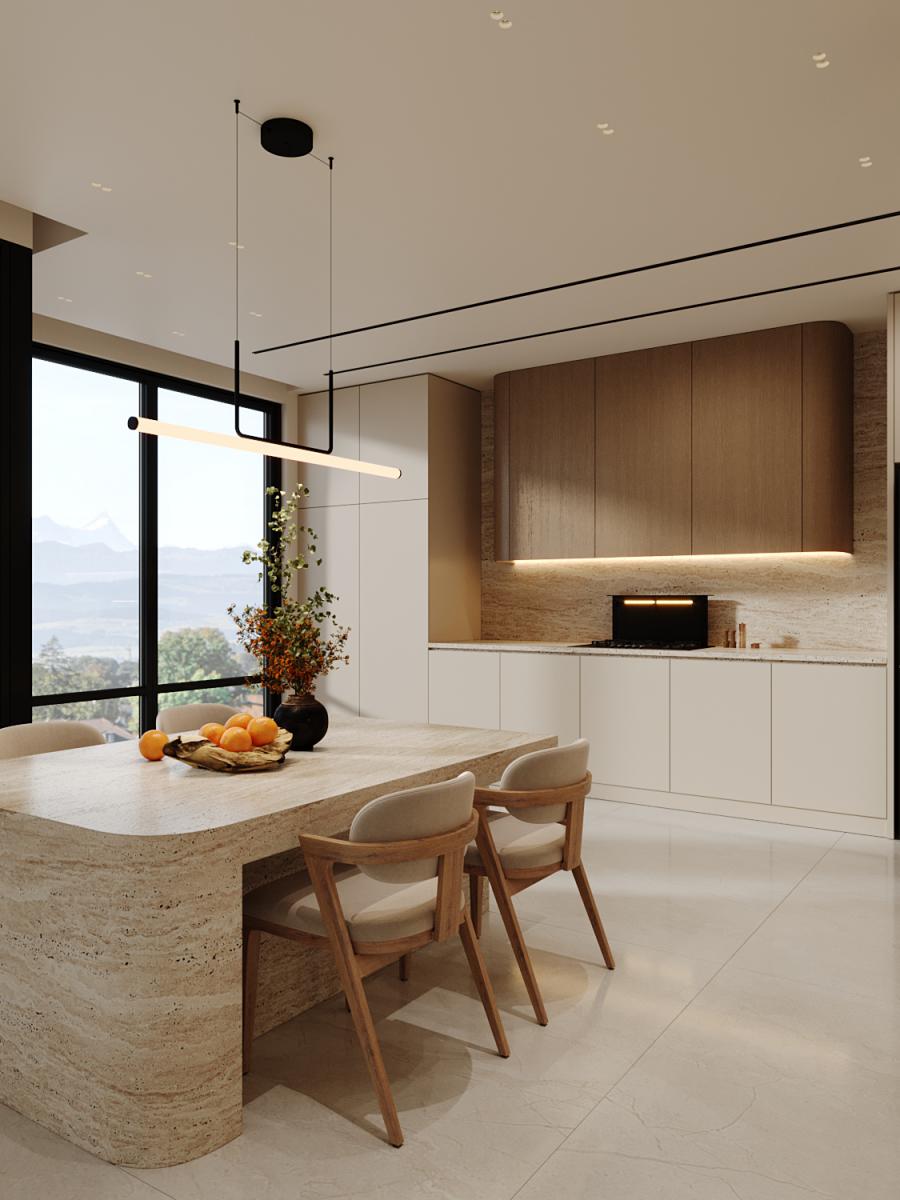
Before
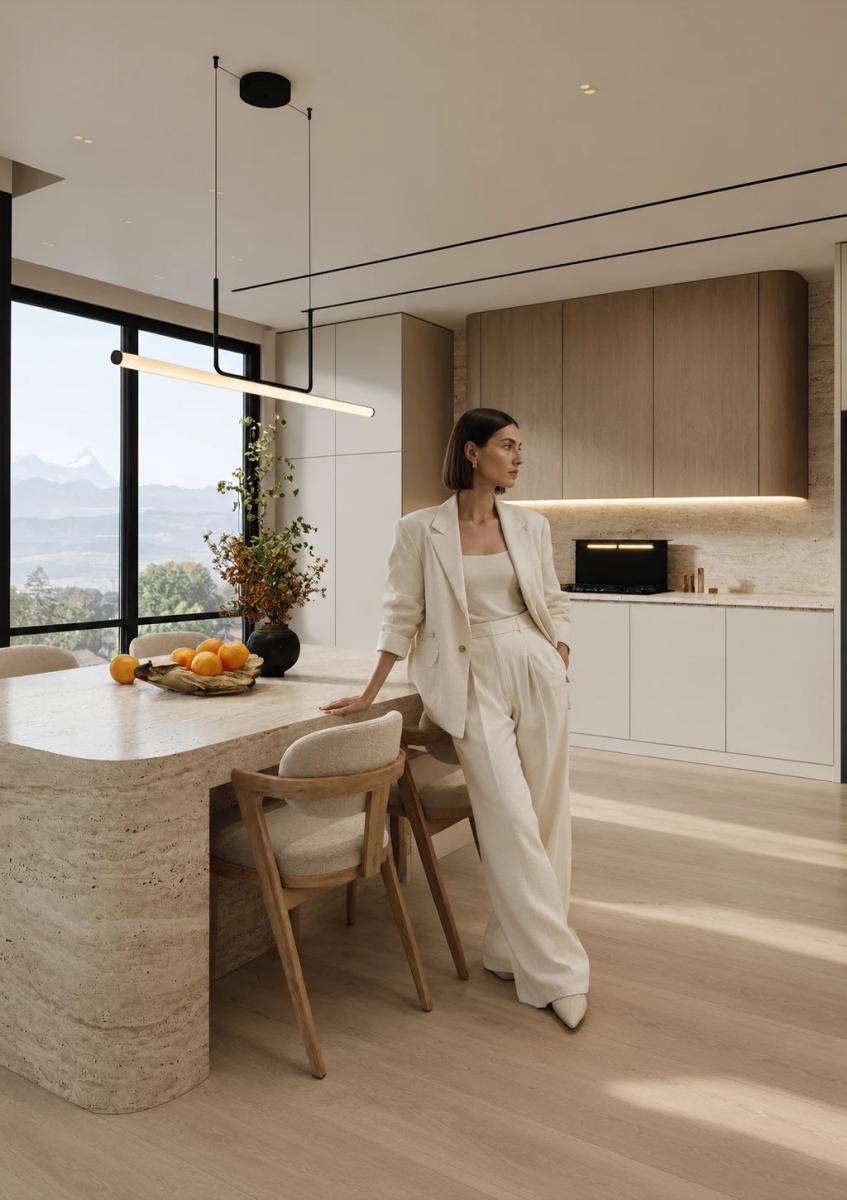
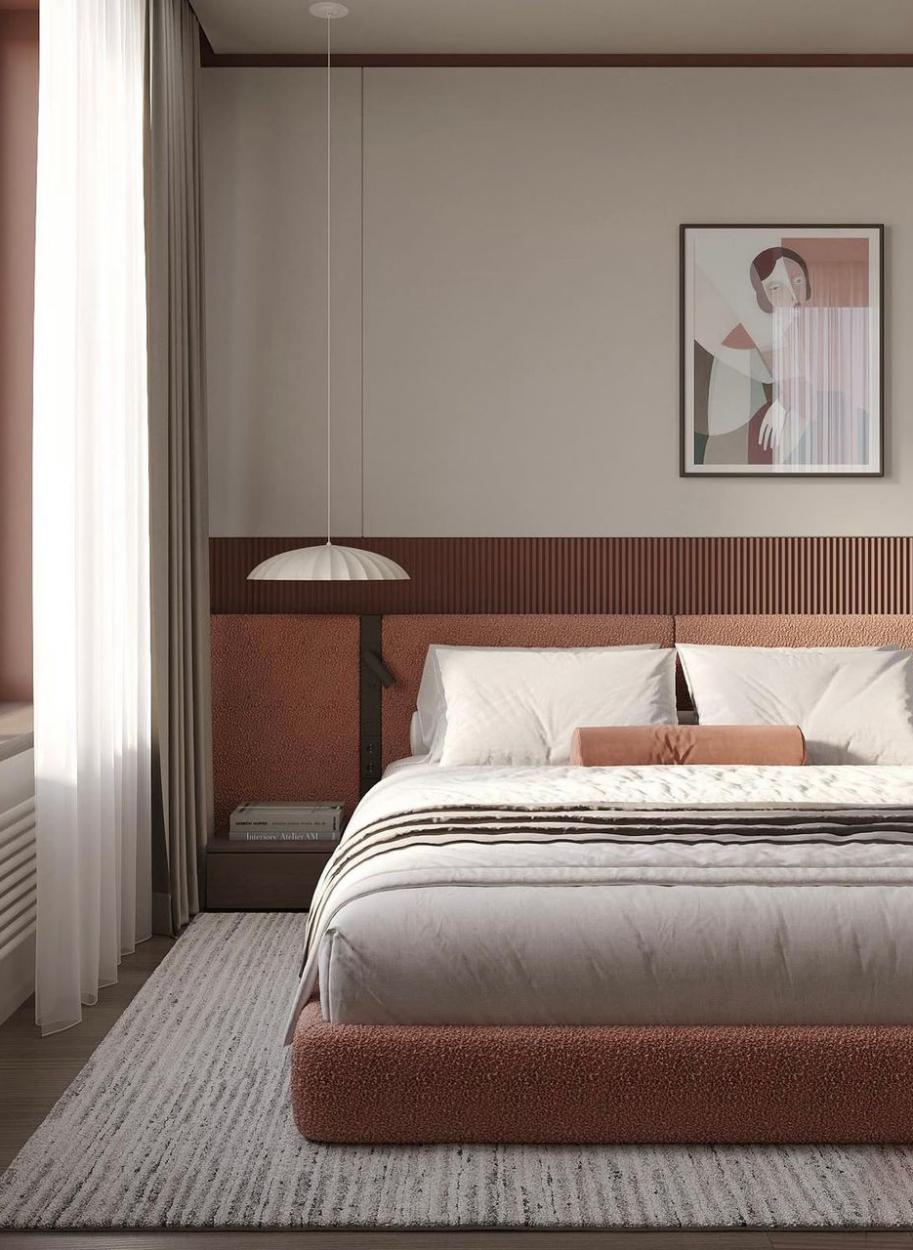
Before
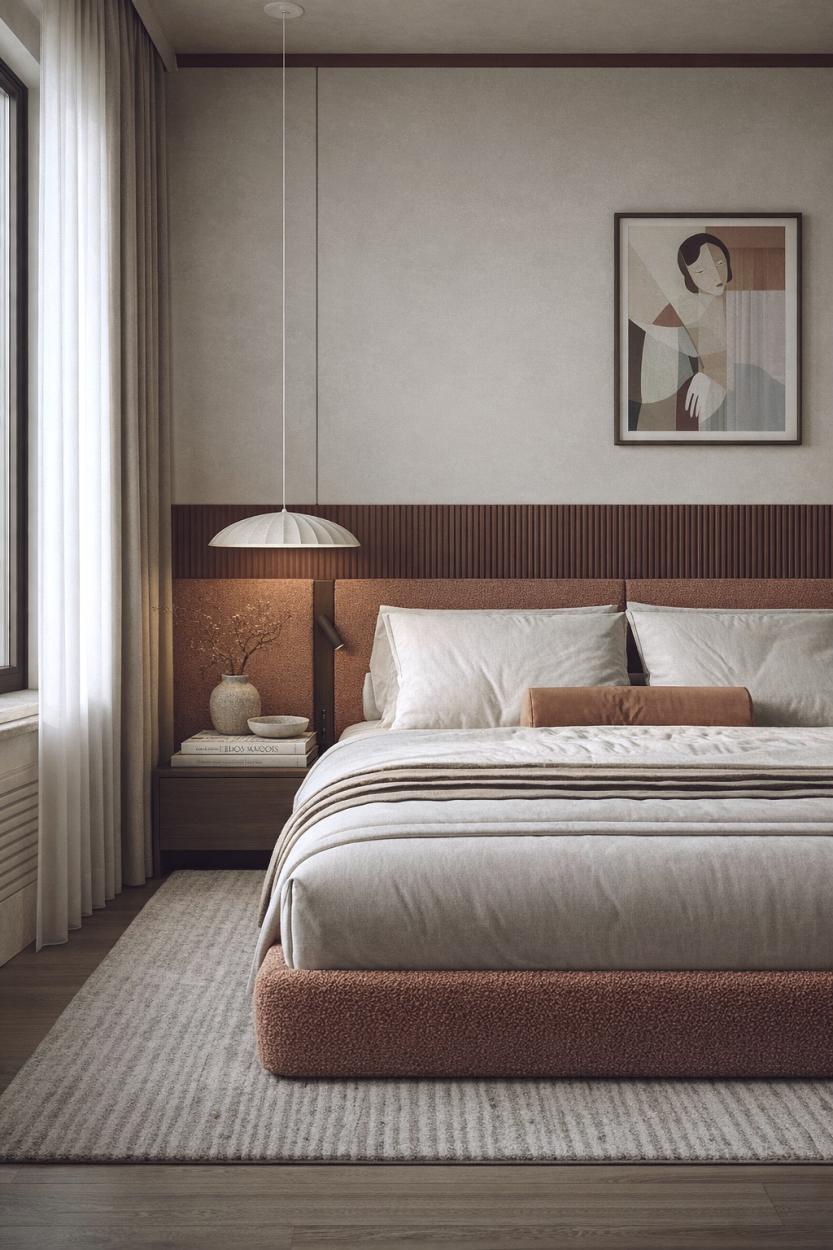
GPT Image دقیقاً چه کار میکند و چطور رندر را ارتقا میدهد؟
هوش مصنوعی GPT Image به شما این امکان رو میدهد که رندر پایه خودتون رو به عنوان تصویر مرجع (Reference Image) بارگذاری کنید و با دستورهای متنی دقیق (Prompt)، به مدل بفهمونید که چه بخشهایی از تصویر رو بدون دست زدن به فرم اصلی معماری، واقعگرایانهتر کنه:
اصلاح نور و اتمسفر (Atmospheric Lighting): ایجاد تابش های نوری ملایم (Soft Bloom)، هایلایتهای گرم و سایههای عمیق.
میکرو-تکسچرها (Micro-textures): اضافه کردن پرز به مبلمان پارچهای، رگههای طبیعی به سنگ مرمر و بافت زنده به چوب.
حس عکاسی مجلهای (Editorial Photography): شبیهسازی عمق میدان لنز عکاسی (Depth of Field) و دیتیل های و واقعی.
برای رسیدن به این نتیجه، فقط کافیه رندر داخلی پروژه را داخل چت جی پی تی وارد کنید و پرامتی که براتون آماده کرده ایم را کپی و پیست کنید.
در آموزش های بعدی استفاده رایگان از جی پی تی ایمیج هم براتون میزاریم.
Transform this architectural interior render into a photorealistic, editorial-quality photograph, in the style of Architectural Digest and Vogue Living. Preserve the exact layout, camera angle, geometry, furniture, and material palette. Only improve realism, lighting, materials, and add one human figure. HUMAN ELEMENT: Add one woman as part of the scene, not the main subject, in a quiet luxury editorial fashion style. She wears minimalist tailoring: an oversized or softly structured blazer in cream, ivory, or soft taupe over a ribbed knit top, with pleated wide-leg trousers in a tone-on-tone neutral palette that matches the room. Minimal accessories: a slim gold watch or bracelet, a small leather clutch, black leather loafers or thin strappy sandals. Short pixie or sleek bob hairstyle, or hair pulled back. Natural matte makeup, real skin texture with visible pores, no retouched plastic look. Pose: candid and relaxed, leaning against the wall or resting on the sofa, weight on one leg, legs casually crossed. Gaze off-camera or a calm, detached look toward the lens, no smile, no catalog pose. Correct scale relative to the furniture. Her clothing harmonizes with the beige, greige, and wood tones of the space, and she is lit by the same light as the scene, with soft matching shadows on the floor and wall. LIGHTING AND COLOR: neutral-warm white balance, overall around 3600-4000K, a soft greige and beige atmosphere, NOT orange, NOT yellow, NOT amber. Soft, diffused ambient light with very gentle shadow edges. Only the practical lights (arc floor lamp, hidden LED strips behind cabinets, pendant fixtures) glow slightly warmer at around 2700-3000K, creating small pools of warm light. Soft daylight from the window at around 5000-5500K acts as a cool-neutral fill and balances the warmth. Shadows stay neutral beige-gray. Low contrast, airy, calm, subtle light falloff, no blown highlights, subtle global illumination. MATERIALS (fully realistic, highly detailed): matte plaster and lacquered cabinetry with fine tonal variation; boucle and linen fabric with visible weave and soft fiber texture, clean piping and stitching; flat-weave wool rug with fine yarn detail; travertine and limestone with fine pores and chamfered edges; brushed metal with soft elongated reflections; matte ceramics with natural glaze variation. No surface is perfectly clean or flat; every edge has a tiny bevel catching a thin highlight. Reflections are soft and satin, never glossy or plastic. CAMERA AND MOOD: full-frame camera, 35mm lens, f/5.6, natural film-like color grading with muted, desaturated neutral tones, subtle film grain, gentle vignette. Serene, airy, cinematic, quiet luxury. Ultra-detailed, 8K, magazine-quality. AVOID: orange or yellow color cast, amber tint, plastic or waxy skin, oversaturation, harsh shadows, overexposure, distorted hands or fingers, changing furniture or layout, extra people, logos, text.
پرامپت با سوژه انسانی
Transform this architectural interior render into a photorealistic, editorial-quality photograph, in the style of Architectural Digest and Kinfolk. Preserve the exact layout, camera angle, geometry, furniture, and material palette. Only improve realism, lighting, materials, and micro-detail. LIGHTING AND COLOR: neutral-warm white balance, overall around 3600-4000K, a soft greige and beige atmosphere, NOT orange, NOT yellow, NOT amber. Soft, diffused ambient light with very gentle shadow edges. Only the practical lights (arc floor lamp, hidden LED strips behind cabinets, linear pendant fixtures) glow slightly warmer at around 2700-3000K, creating small, subtle pools of warm light. Soft daylight from the window at around 5000-5500K acts as a cool-neutral fill and balances the warmth. Shadows stay neutral beige-gray. Low contrast, airy, calm, smooth light falloff, no blown highlights, subtle global illumination and soft color bleeding between neutral surfaces. MATERIALS (fully realistic, highly detailed): matte plaster and lacquered cabinetry with fine tonal variation; boucle and linen fabric with visible weave and soft fiber texture, clean piping and stitching; flat-weave wool rug with fine yarn detail; travertine and limestone with fine pores and chamfered edges; brushed metal with soft elongated reflections; matte ceramics with natural glaze variation. No surface is perfectly clean or flat; every edge has a tiny bevel catching a thin highlight. Reflections are soft and satin, never glossy or plastic. Precise shadow gaps and joints between materials. STYLING: add a few lived-in editorial details that fit the space without changing the layout: a stack of art books, a matte ceramic bowl, a textured vase, a dried branch. CAMERA AND MOOD: full-frame camera, 24mm lens, f/8, natural film-like color grading with muted, desaturated neutral tones, subtle film grain, gentle vignette, very slight atmospheric haze. Serene, airy, cinematic, quiet luxury. Ultra-detailed, 8K, magazine-quality architectural photography. AVOID: orange or yellow color cast, amber tint, overexposure, harsh shadows, plastic-looking surfaces, oversaturation, changing or removing furniture, logos, text.
پرامپت بدون سوژه انسانی
برای کپی راحت تر پرامپت ها و اطلاع از آخرین اخبار هوش مصنوعی، همچنین تخفیف های ویژه عضو کانال تلگرام ما شوید .


تغییر کلمه عبور
تغییر کلمه عبور
حساب کاربری من
سفارشات
مشاهده سفارش
سبد خرید